
What does it take to create change? An artist and a conservationist answer | TED Intersections
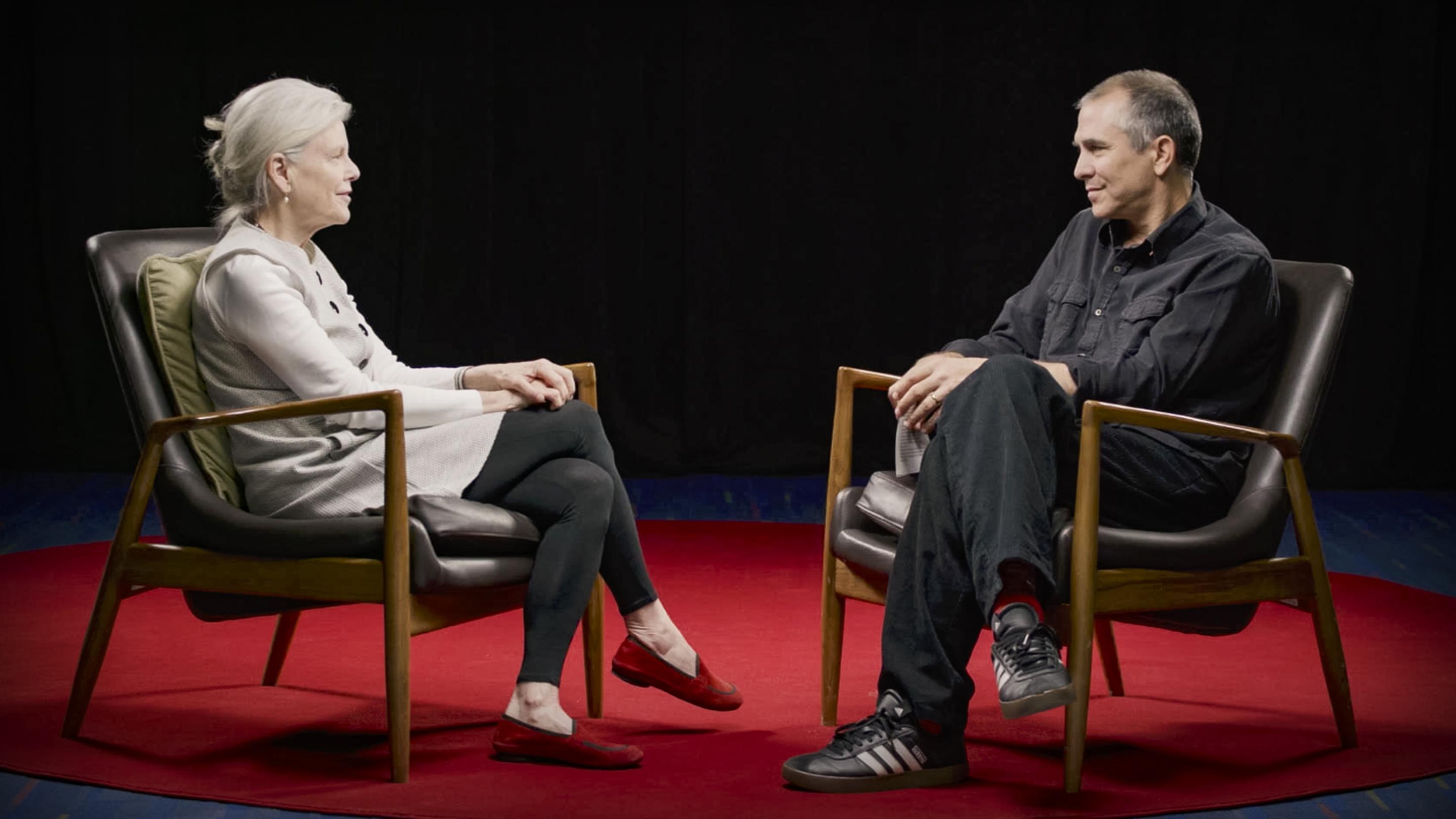
7 September 2024 - 24 minsWhat does it actually take to make meaningful change? Conservationist Kristine McDivitt Tompkins and playwright and theater director Amir Nizar Zuabi reflect on the deep connection between human suffering and environmental degradation and the community-building power of art to raise awareness. With equal parts hope and concern for the future, they speak to the urgent need to act now — and emphasize the transcendent power of compassion-fueled collaboration. (This conversation is part of “TED Intersections,” a new series featuring thought-provoking conversations between experts exploring ideas at the intersection of their experience.)
Series Episodes


How to make parenting less lonely | Stacey McLachlan
When parents first have kids, some risk entering “the loneliest decade,” where they fall out of touch with friends. Writer Stacey McLachlan decided to do something different when she had her daughter, refusing to let her social life slip away. In this witty talk, she shares her solution — and why it matters for all of us. Vote for our show in the Signal Awards for Most Inspirational podcast! Hosted on Acast. See acast.com/privacy for more information.
20 mins
12 October Finished
Sunday Pick: Can AI really teach your kids? with Leah Belsky | from WorkLife with Molly Graham
Technology has been promising to revolutionize education for a long time. Online learning, smartphones, and even asynchronous classes during COVID seemed for a while like they might finally transform what learning can look like, but all we really learned was that changing education is slower and harder than anyone wants it to be. Could AI finally be the unlock we’ve been looking for? Leah Belsky has spent nearly 20 years at the intersection of education and technology. She helped lead Coursera during the rise of online learning, and is now the head of education at OpenAI. In this episode, Molly sits down with Leah to find out what AI really has to offer as a learning tool, and where it falls short of the hype. Leah shares what she’s learned as both a leader in the ed tech world and a parent of AI-curious kids, and offers tips for how to coach kids to use AI as an empowering tool without getting in the way of their learning. Vote for our show in the Signal Awards for Most Inspirational podcast! Hosted on Acast. See acast.com/privacy for more information.
51 mins
11 October Finished
Why the future is human ... plus AI | Sal Khan and Esther Perel
As AI reshapes work, school and love, what part of being human can't a machine take over? In a wide-ranging conversation, psychotherapist Esther Perel and TED's vision steward Sal Khan provide their unique takes on the answer. From personalized learning and AI companions to "emotional capitalism" and the rituals we create to live with uncertainty, the two explore if we're getting better at living or just getting better at optimizing. (This conversation is part of “TED Intersections,” a series featuring thought-provoking conversations between experts navigating the ideas shaping our world.) Vote for our show in the Signal Awards for Most Inspirational podcast! Hosted on Acast. See acast.com/privacy for more information.
23 mins
10 October Finished
The three words that saved my life | Blake Mycoskie
On paper, Blake Mycoskie is a glowing success story: he founded TOMS Shoes, building a global brand that has given away more than 100 million pairs of shoes to children in need. Yet despite his success, his struggle with depression nearly cost him his life. In this personal talk, he explores the all-too-common shame that keeps people suffering in silence — and shares his new mission to spread the simple yet powerful message that each of us is inherently enough. (Note: This talk includes discussion of suicide and depression.) More resources Resources for suicide prevention, post-attempt survivors and their families Vote for our show in the Signal Awards for Most Inspirational podcast! Hosted on Acast. See acast.com/privacy for more information.
18 mins
9 October Finished
How imaginary worlds help kids learn | Anna Rainio
All children develop at different paces — so why do schools expect every student to learn the same way? Early education researcher Anna Rainio introduces "playworlds," a learning activity where adults and kids create imaginary stories together. She shows how pretend play helps students find their place — and the power of a teacher or parent starting with a simple question: Why not? Vote for our show in the Signal Awards for Most Inspirational podcast! Hosted on Acast. See acast.com/privacy for more information.
17 mins
8 October Finished
What my politically divided family teaches me | Tami Pyfer
Tami Pyfer has five kids who belong to five different political parties, and sometimes family conversations get heated. Drawing on her work as a former policy advisor to the governor of Utah, she wanted to find a healthier way for people to talk about politics without contempt. The result is the Dignity Index: an eight-point scale that measures the language we use to disagree, aiming to ease political divisions. What score do you think your last conversation would get? Vote for our show in the Signal Awards for Most Inspirational podcast! Hosted on Acast. See acast.com/privacy for more information.
14 mins
7 October Finished