
Introducing ChopChop: Let's Get Corny!
20 September 2024 - 26 minsA new food-focused kids podcast is here. It’s called ChopChop and it’s part of a non-profit committed to getting kids and families to cook and eat meals together. Explore tasty recipes on their website! They also publish a quarterly magazine in English and Spanish (a good way to practice a second language).
We contributed to their very first episode and we have to say, it’s the corniest episode you’re ever going to listen to! Our contribution was the science of how popcorn pops.
We hope you gain some kernels of knowledge from this episode! We had an ear full.
Series Episodes

Why are there Bigfoot-like creatures all over the world?
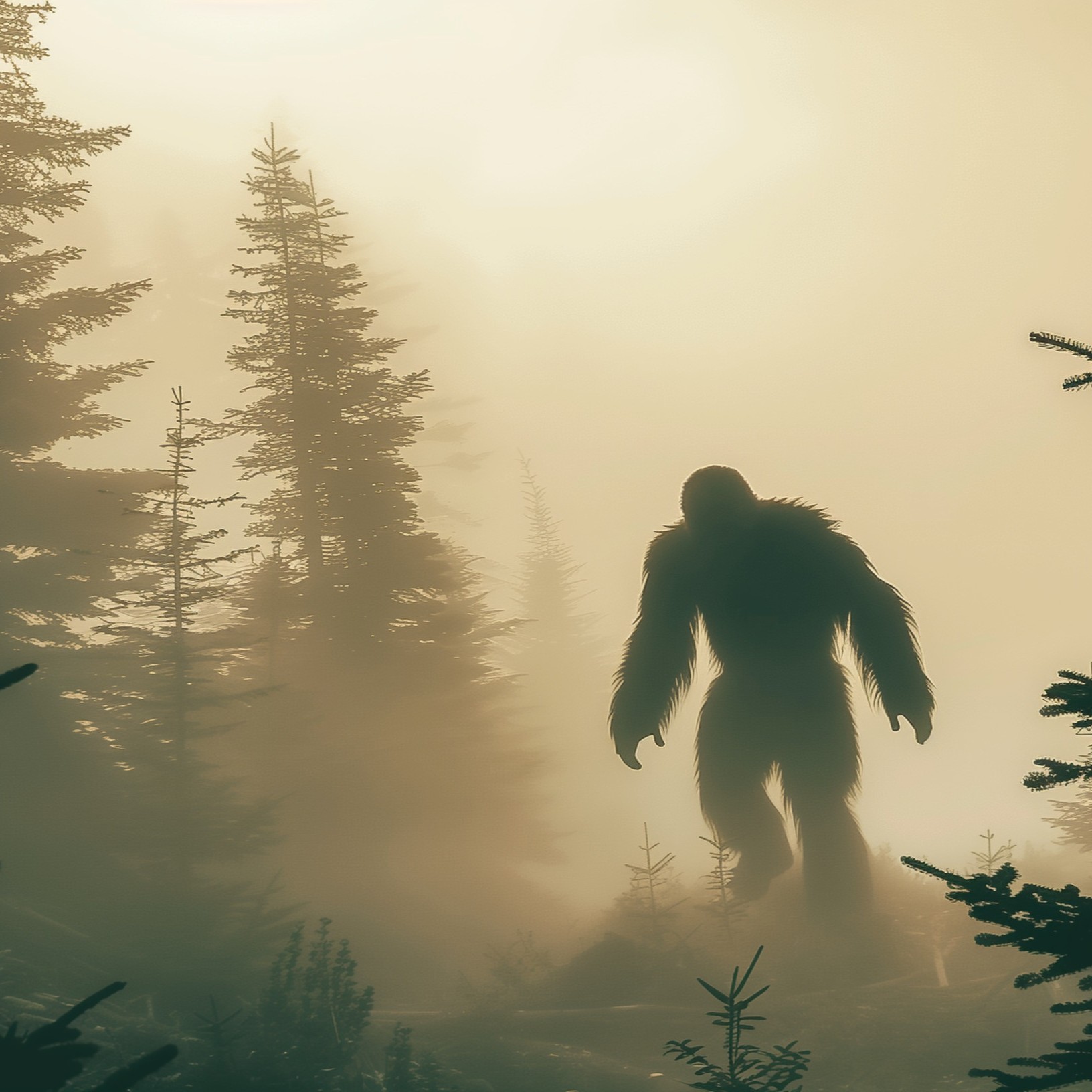
Have you heard of legendary creatures like Bigfoot, Yeti or the Loch Ness Monster? Maybe you’re on the lookout for them. Maybe you’re scared of them. Maybe you don’t believe in them at all! These creatures are sometimes called cryptids–hidden animals whose existence has never been proven. We’ve gotten a lot of questions about these mysterious and mostly made-up figures. So in this episode, we talk with cryptid expert (and skeptic) Daniel Loxton, co-author of “Abominable Science: Origins of the Yeti, Nessie, and Other Famous Cryptids.” We talk about Bigfoot, Yeti, Nessie, Champ (our local lake monster here in Vermont!), mermaids and more! After listening to this episode, you decide: are cryptids fact, fiction, or something in between? Download our learning guides: PDF | Google Slide | Transcript
40 mins
16 October Finished

Why do we get growing pains?
As kids, you are constantly growing. You may not be able to feel yourself growing day to day, but if you’ve ever had achy legs at the end of a long day and been told, “Those are just growing pains,” it certainly SEEMS like you can feel yourself growing! In this episode we get answers to all kinds of questions about growing. Dr. Zurisadai Gonzalez Castillo, a pediatric neurologist at the University of Texas Southwestern Medical Center, helps us understand: how tall can people grow? How do bones grow? Why do our nails and hair keep growing–and is it true our noses and ears never stop growing either? Download our learning guides: PDF | Google Slide | Transcript
30 mins
2 October Finished
300th Episode: What’s your favorite?
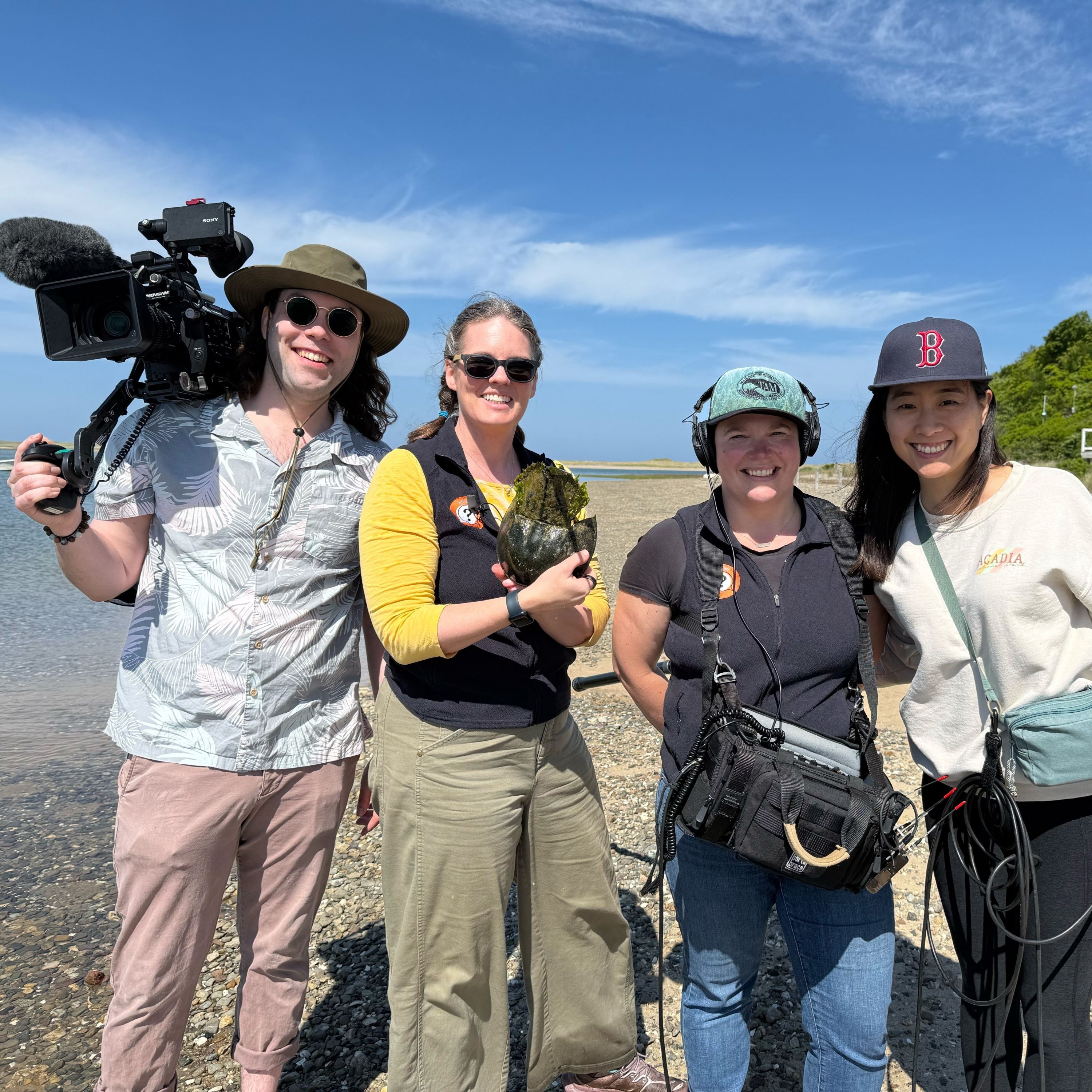
This is But Why’s 300th episode! It’s safe to say we’ve answered several thousand questions from kids all over the world. We asked our listeners to tell us about their favorite episodes and today we’re hearing from all of you! We also hear a bit from a few of the podcasts you have on repeat! Download our learning guides: PDF | Google Slide | Transcript
36 mins
18 September Finished
Why does my voice sound weird when it’s recorded?
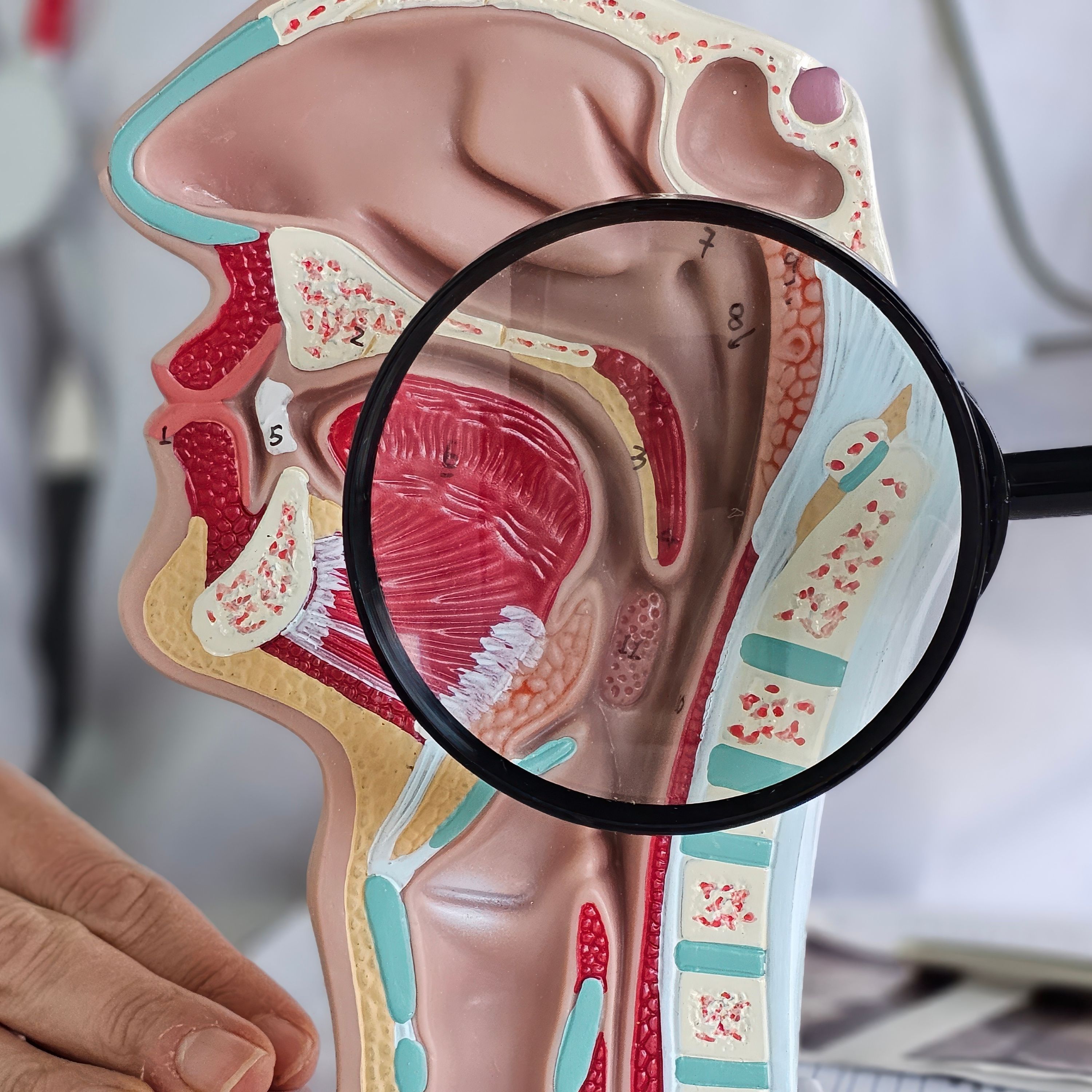
How does our body make our voice? How do voice boxes work? What makes our voices so different? Why are boys' voices often lower than girls' voices? Why does your voice sound different when you are sick? Why does your voice sound weird when you listen to a recording of yourself? Answers to questions about voices with Dr. Anne Hseu, an otolaryngologist (ear, nose and throat doctor) at Boston Children’s Hospital. Download our learning guides: PDF | Google Slide | Transcript
25 mins
4 September Finished
What are fossils?
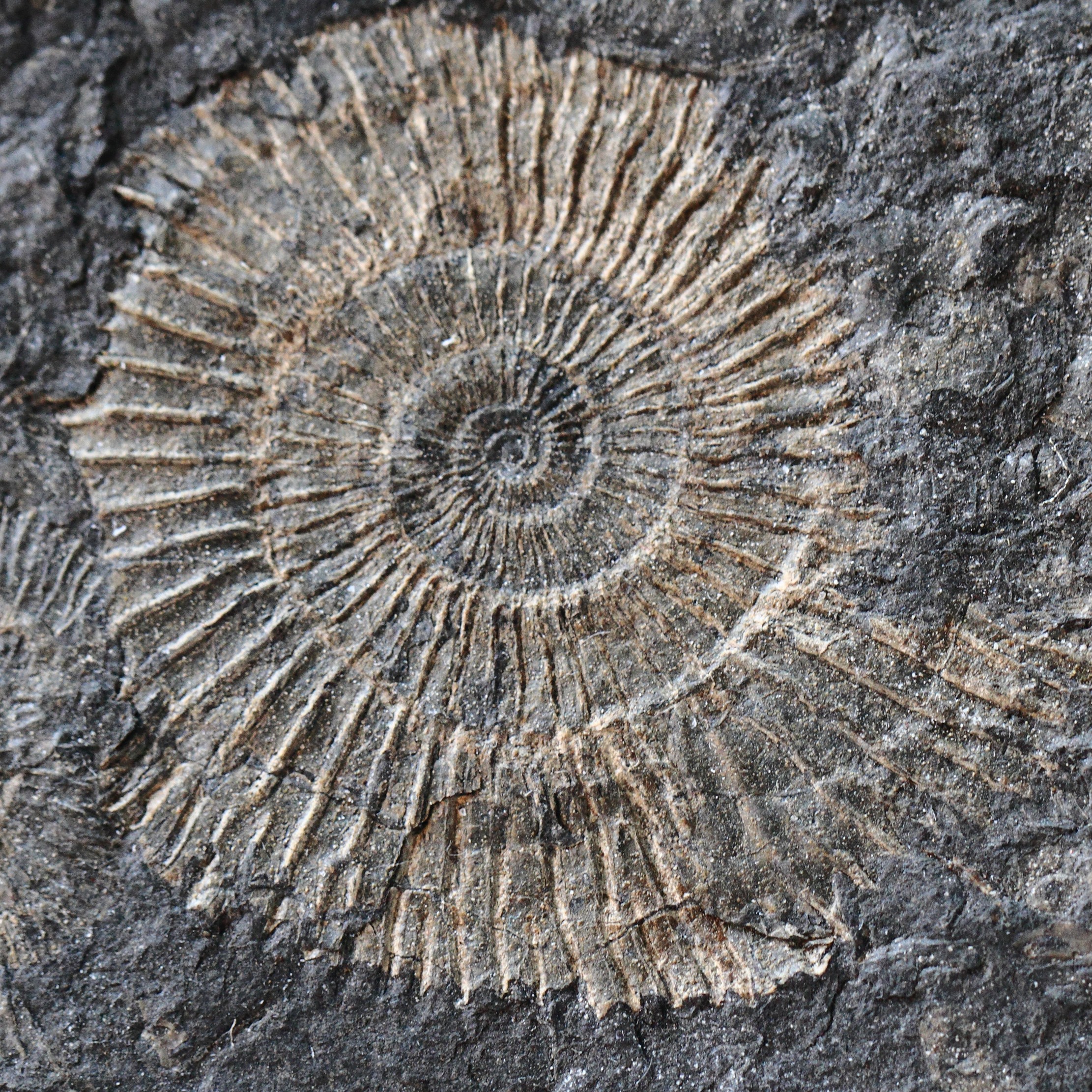
What is a fossil? How are they formed? Where are they found? What’s the oldest fossil, and what’s the biggest? When you think of a fossil you might be picturing a full dino skeleton preserved at a museum. But fossils come in many different shapes and sizes. We taped this episode all about fossils in front of a live audience at the South Burlington Public Library in Vermont, with special guest Charlotte Mehrtens, a retired geology professor from the University of Vermont. Download our learning guides: PDF | Google Slide | Transcript
30 mins
21 August Finished
Where do constellations come from?
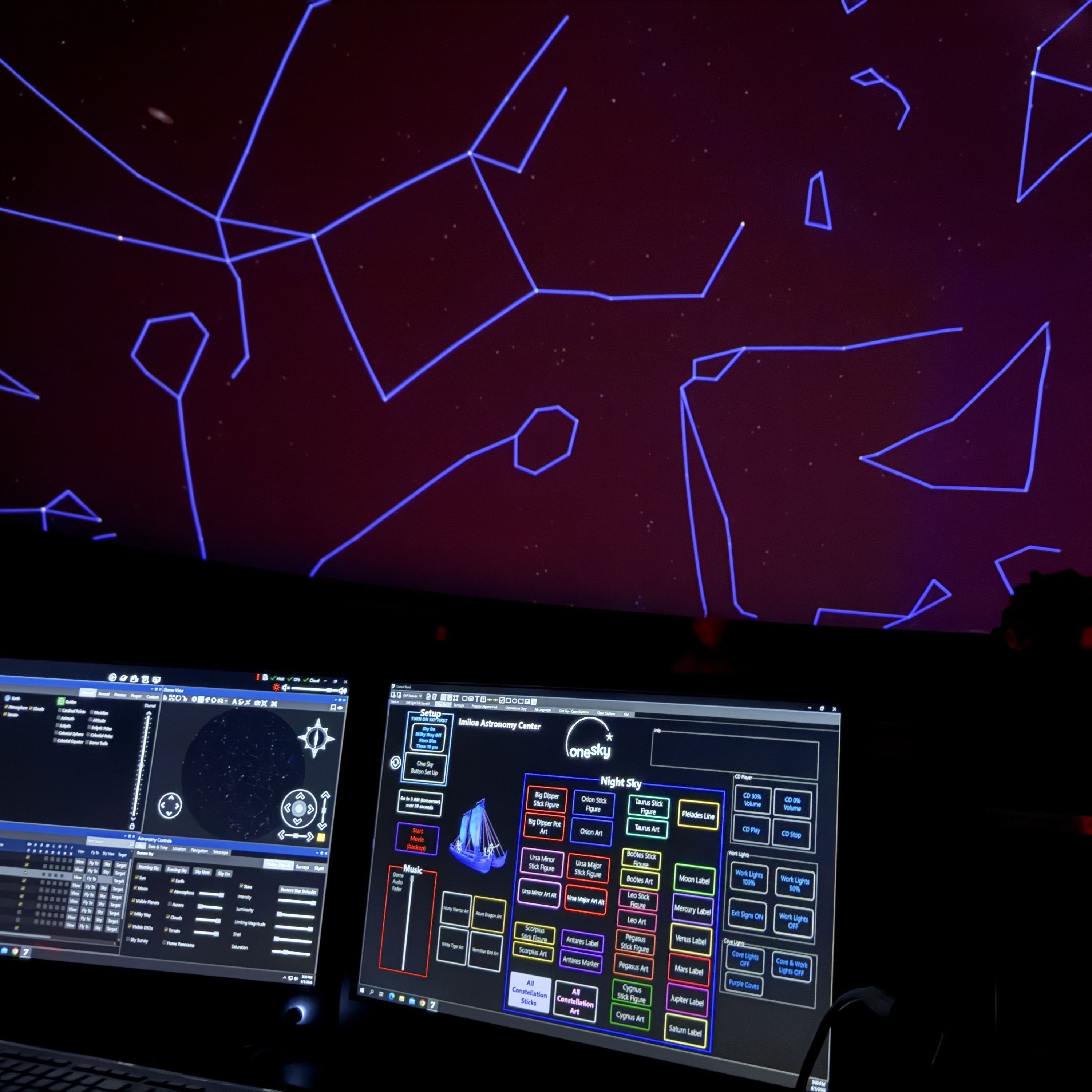
How are constellations formed? How many stars are there? What are stars made of? Why are there stars in the sky? Why are stars white? Why are some stars red? Why do stars twinkle? Why do we only see the stars at night? Why is the north star always facing north? We answer your questions about the stars and astronomy with Talia Sepersky of the Museum of Science in Boston. Download our learning guides: PDF | Google Slide | Transcript
47 mins
7 August Finished